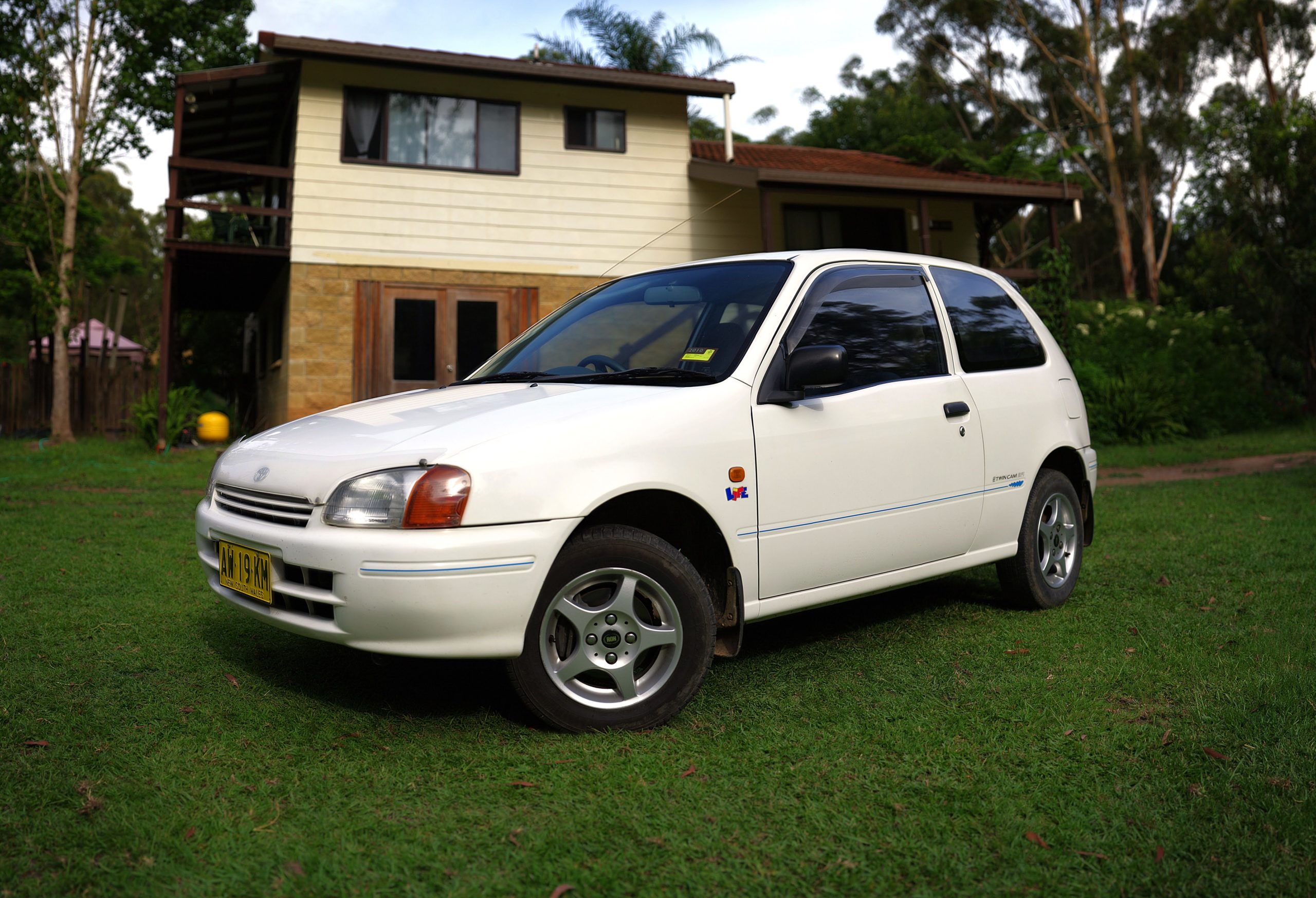
Back in the early 2000’s while commuting to work it was always during the time on the radio that they do talkback rather than music. So with the invention of MP3’s and my fascination with creating highly custom Linux distros, why not solve this by sticking a PC in a car. These days almost everyone has one in their dashboard, but back then it was relatively unheard of.
And back then internet wasn’t the easiest to come by, and there was no such thing as streaming services – but we had tv tuner cards for PC’s! So of course I put one of those in, connected the PC up to my phone, and watched TV and browsed the tv guide in takeaway drivethroughs. Not impressive at all nowadays, but in a tiny starlet in the very early 2000’s it was amazing!
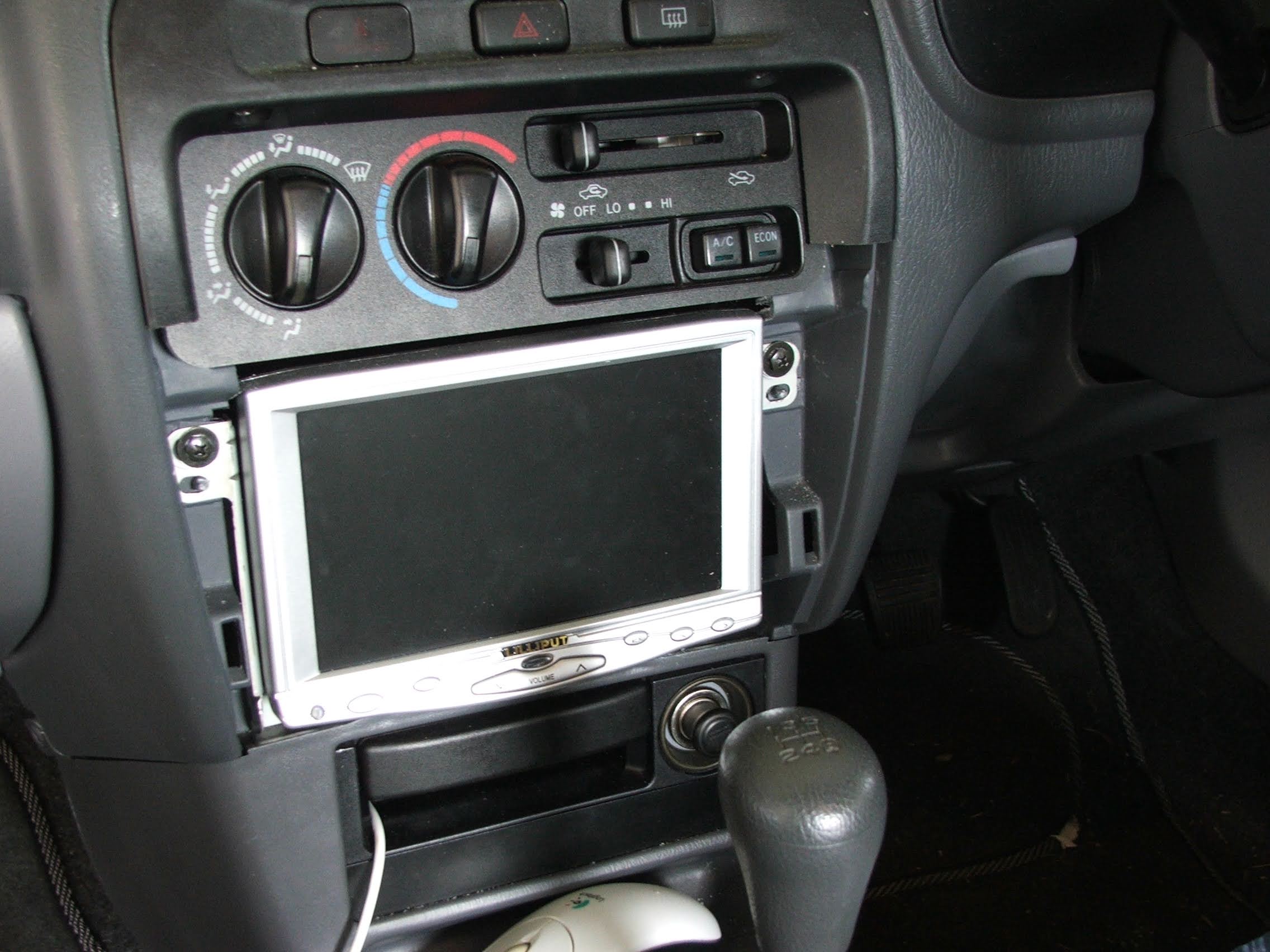
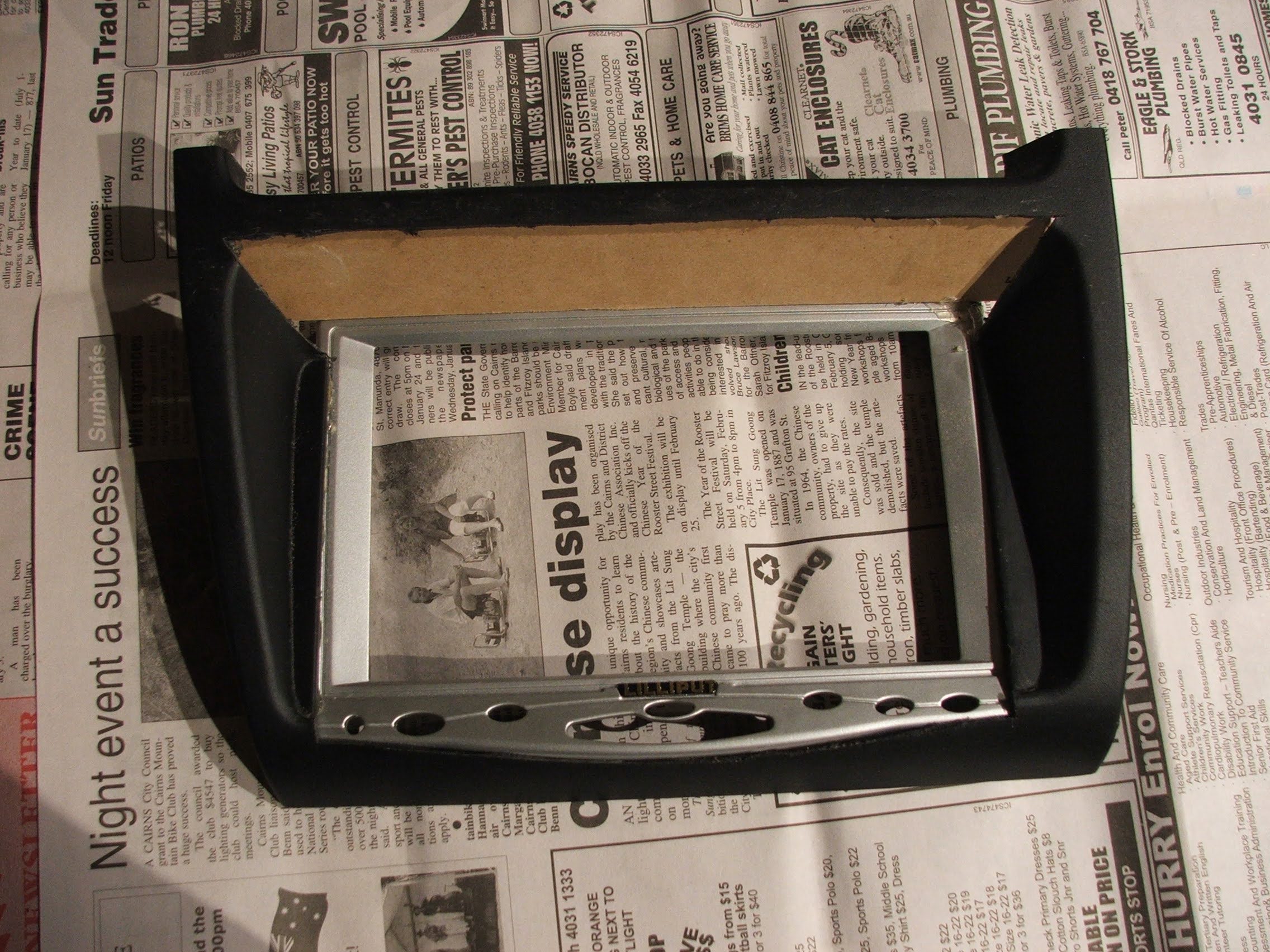
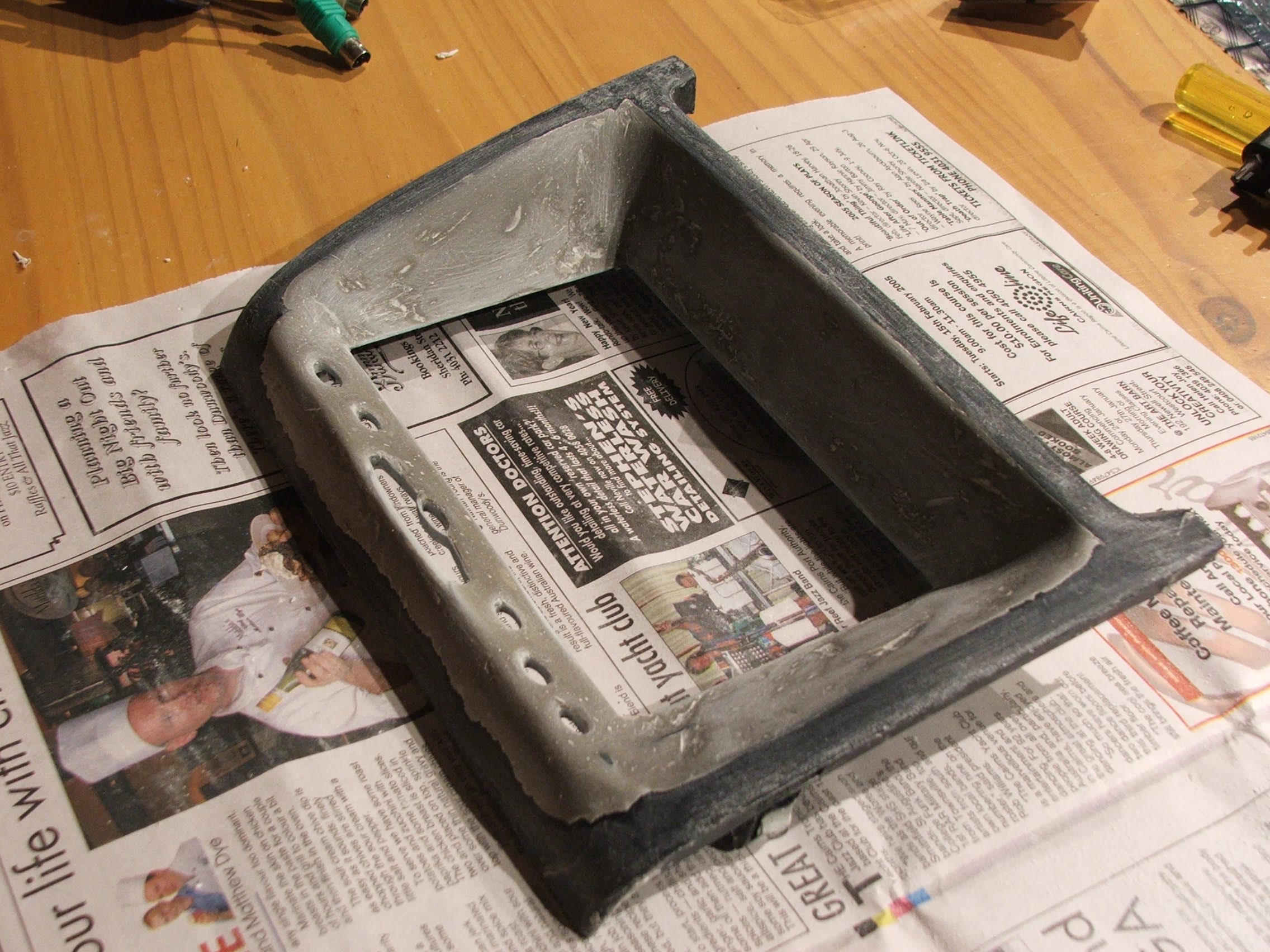
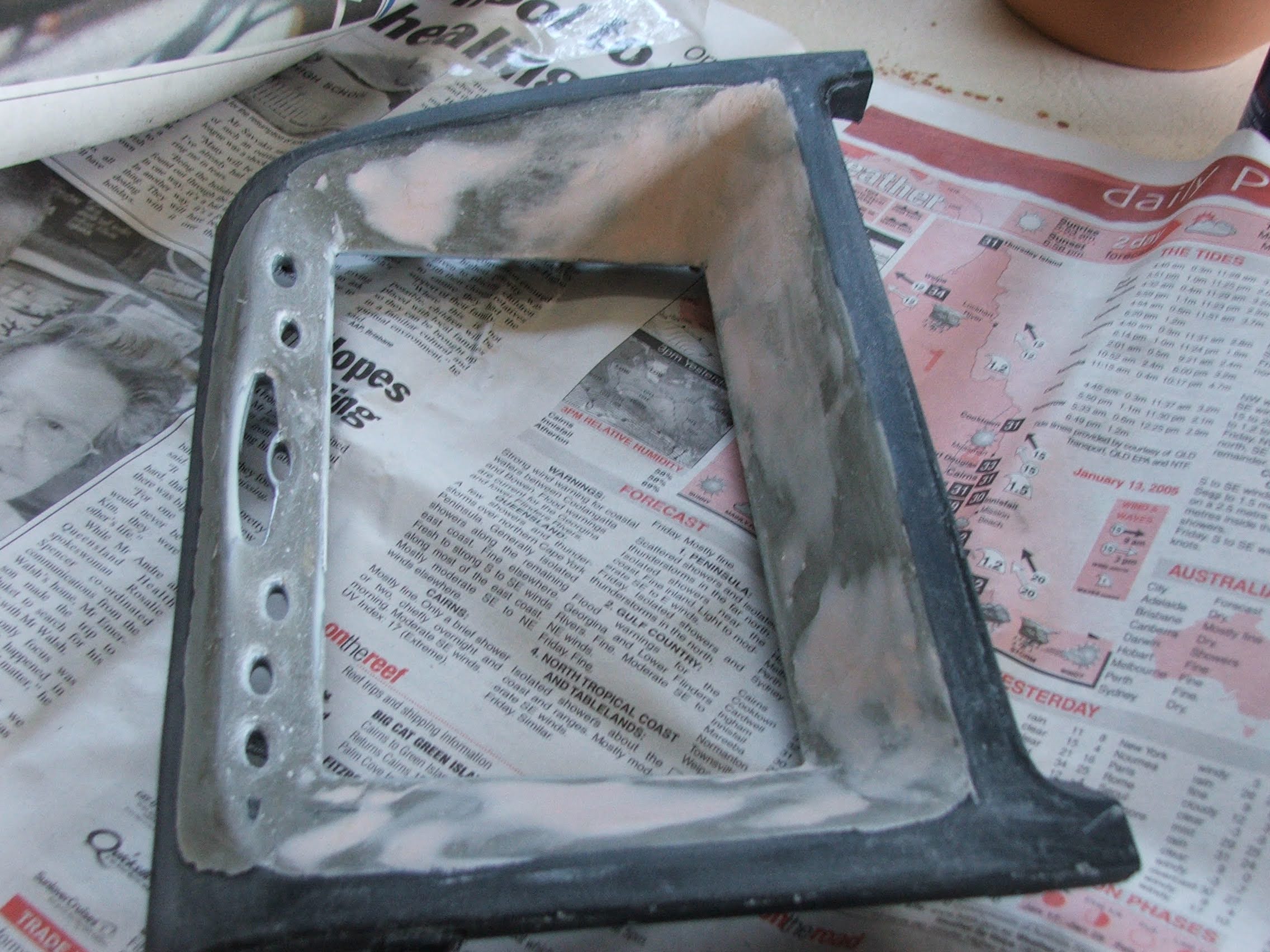
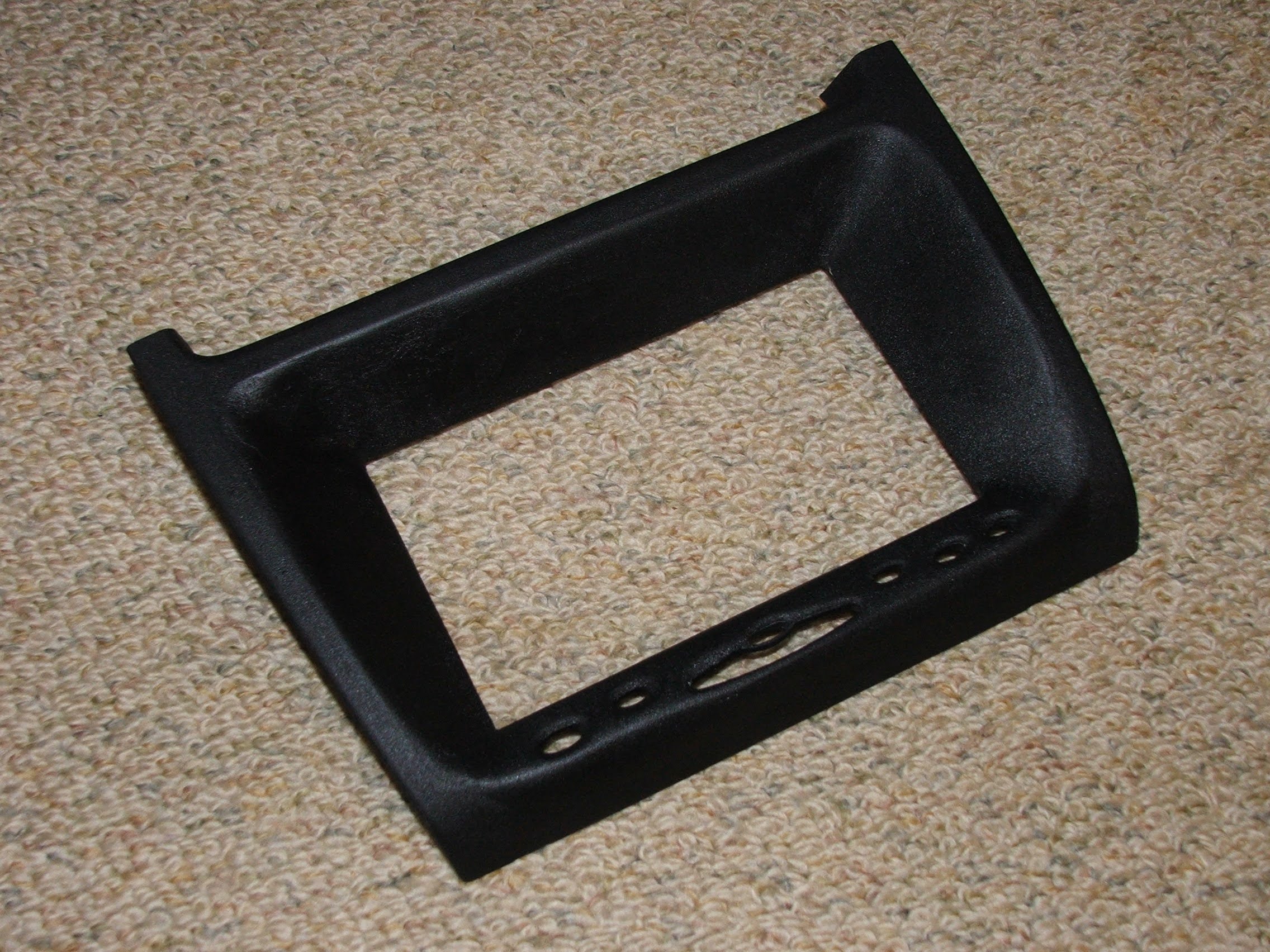
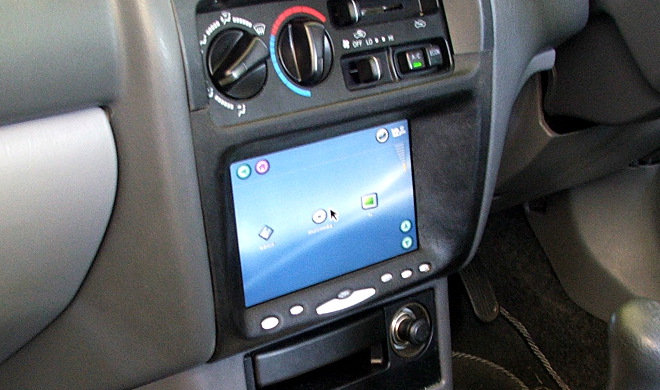
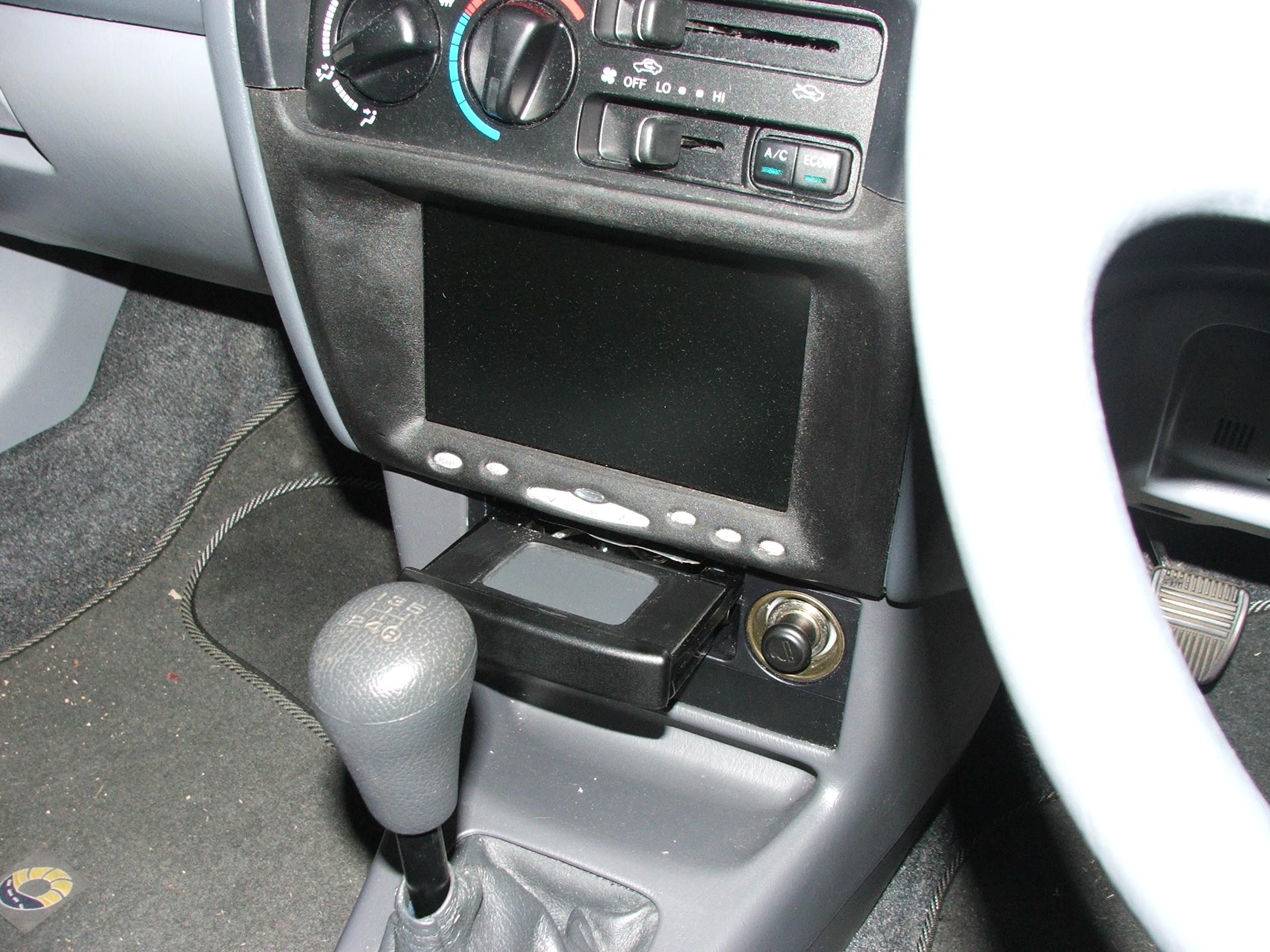
Making the display look a little more integrated
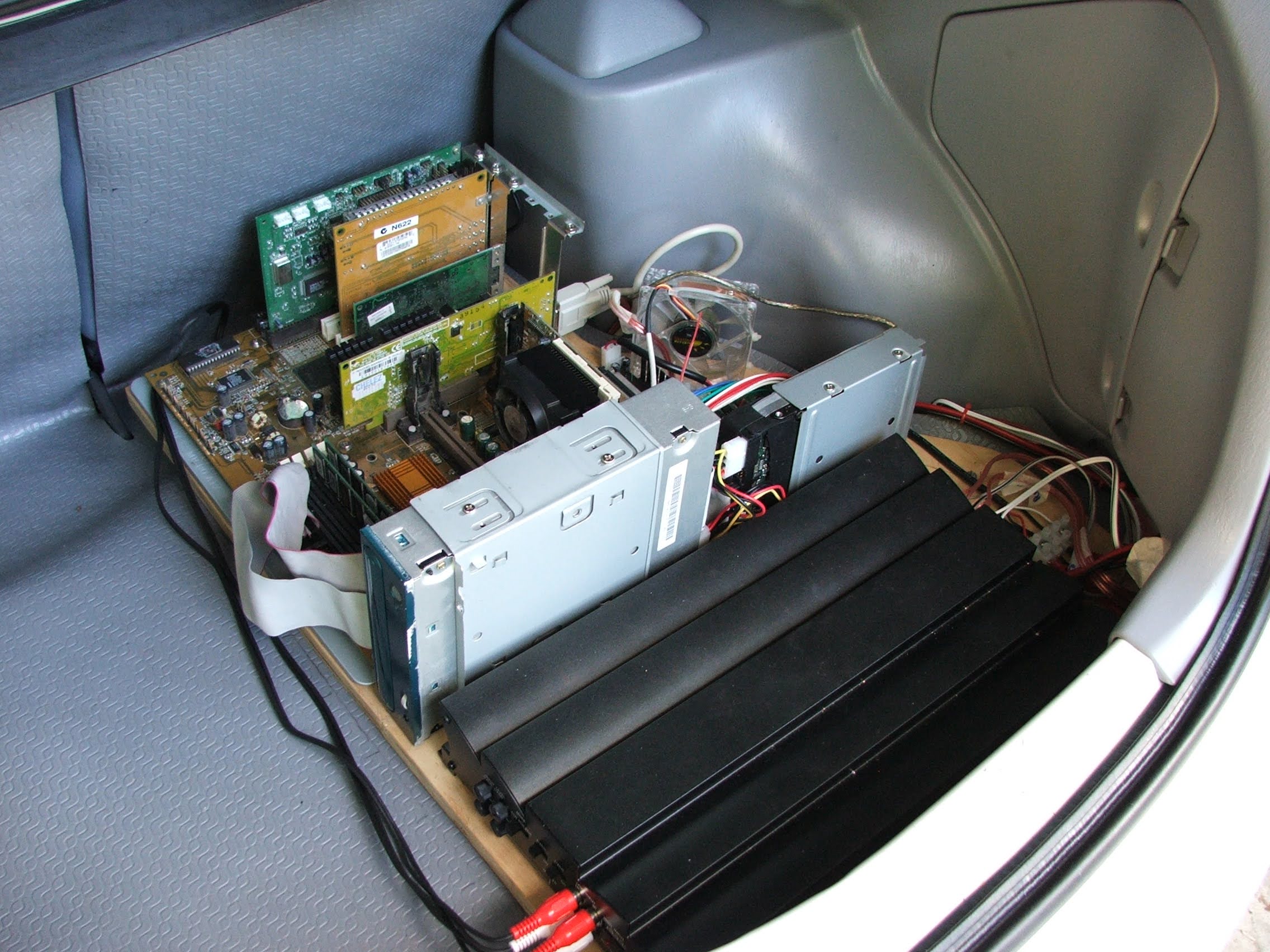
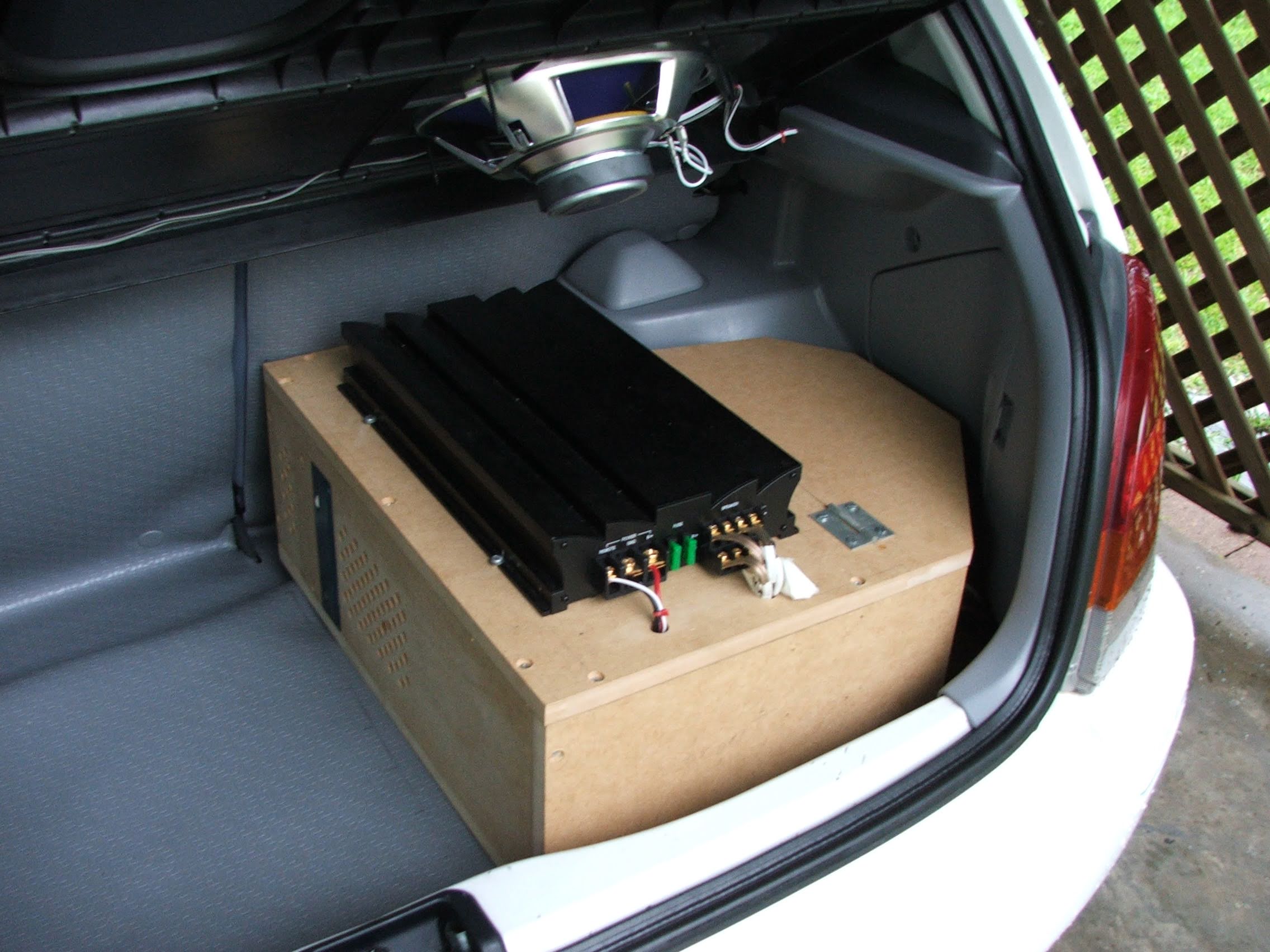
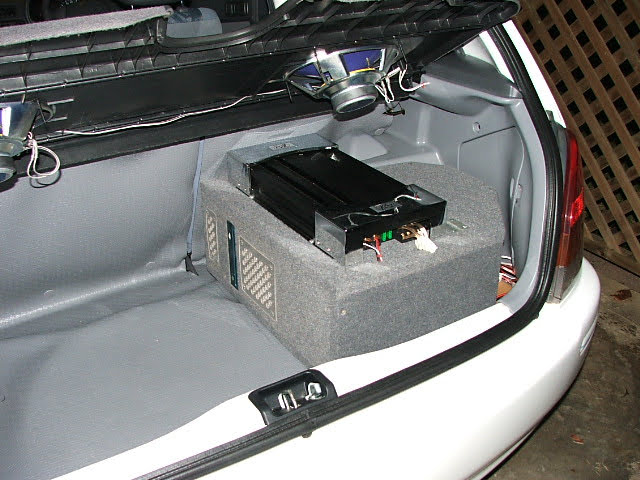
The multiple generations of the actual PC and amp

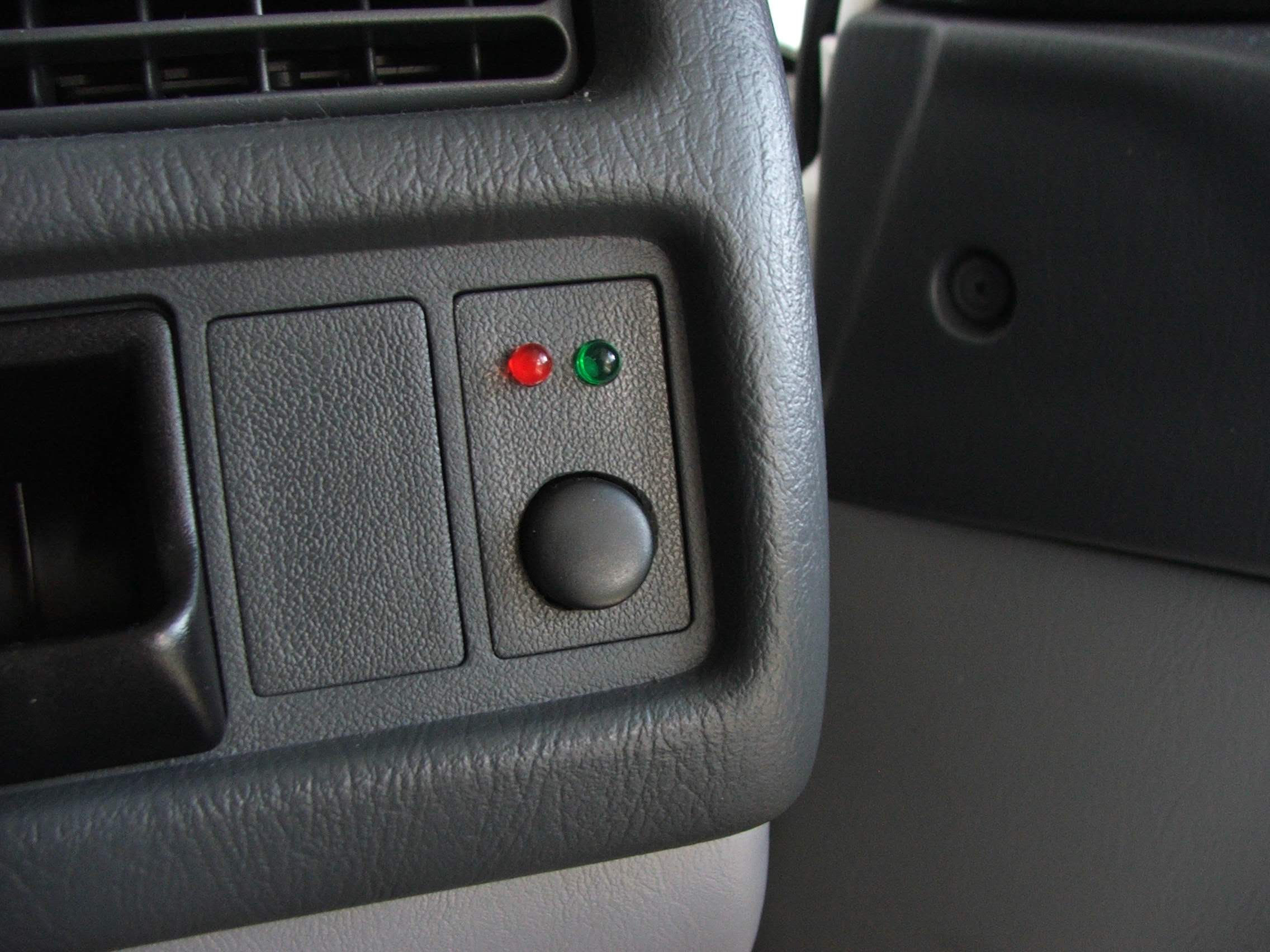
Interacting with it
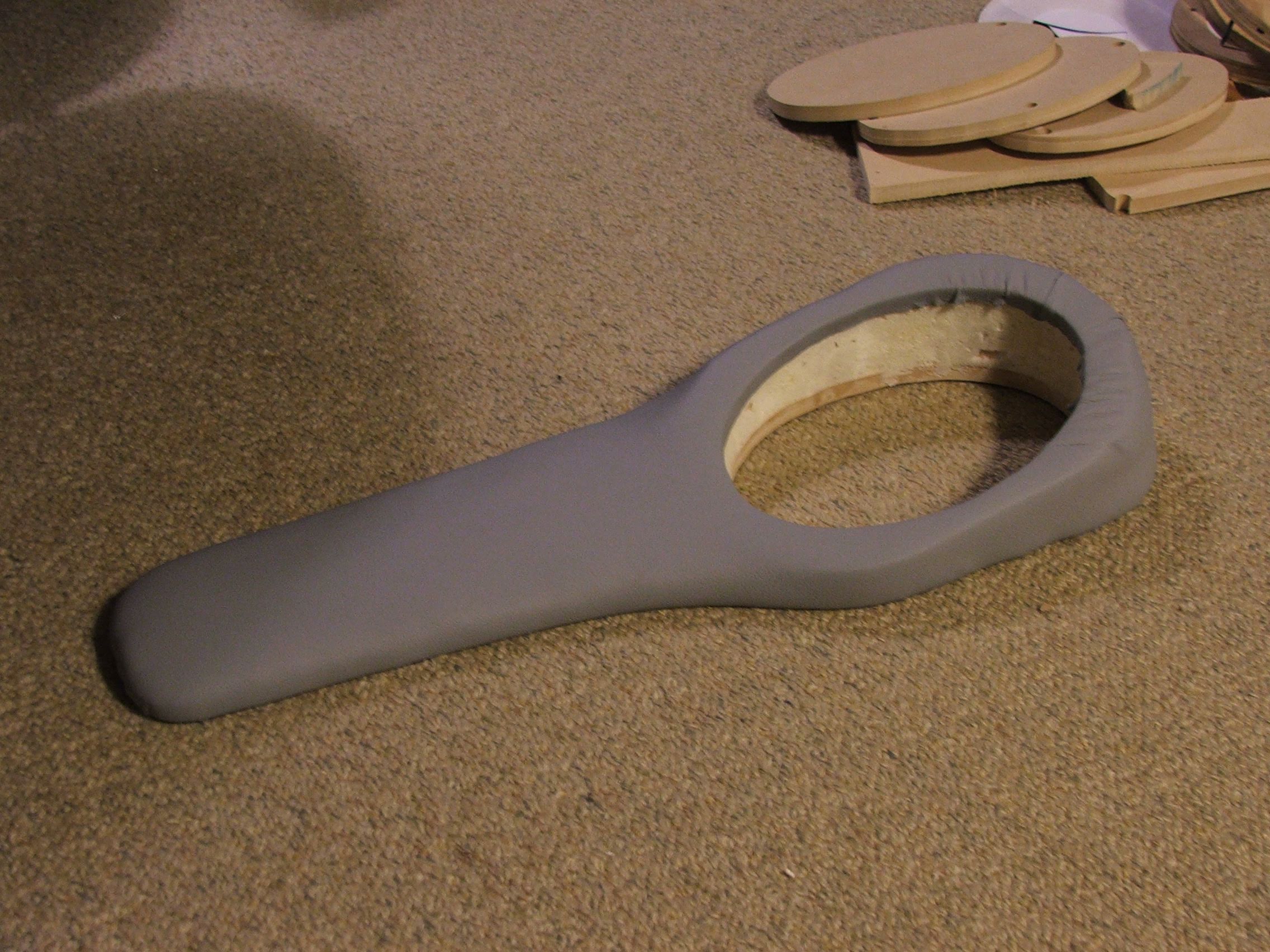
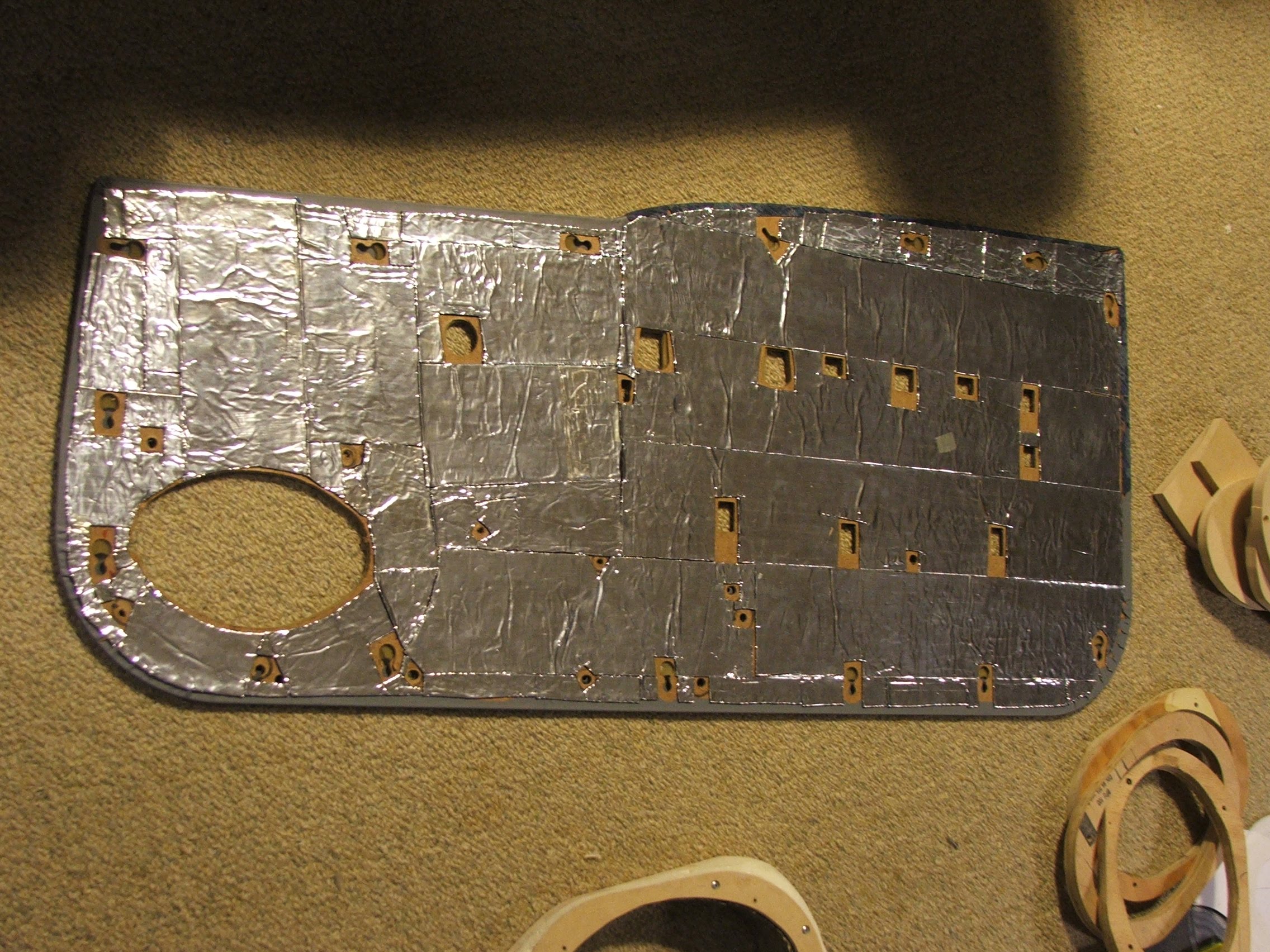
Making the front sound better with custom door speaker mounts
For the longest time I had the speakers mounted with just the wooden stacked loops, but I wanted it to look proper. So against my better judgement while I was battling sickness with a cold, I created custom speaker door mounts that were shaped to cover the holes left behind from the pockets that were originally there.



Power
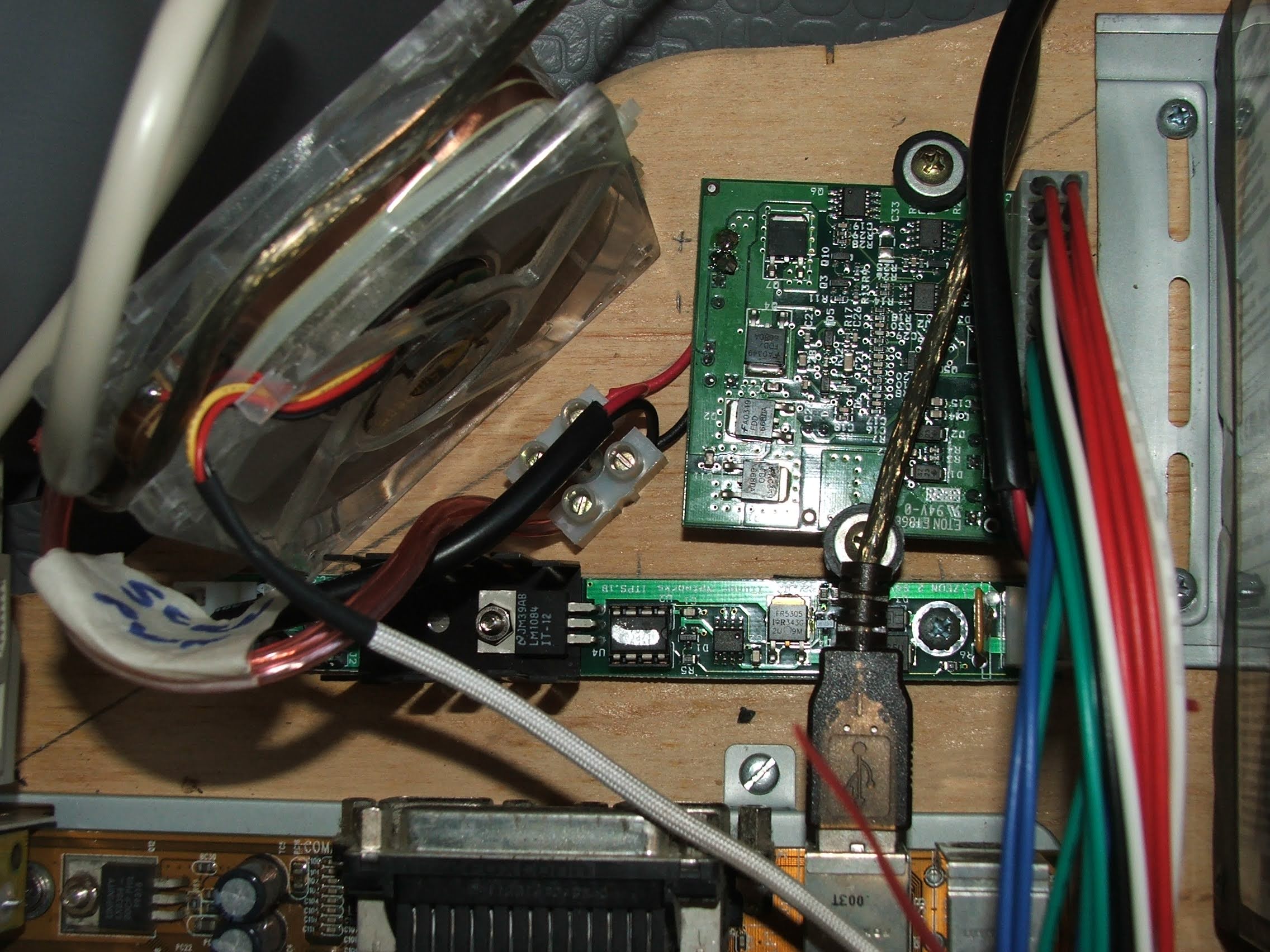
PC’s were power hungry, so initially they needed two parts – regulate the car voltage to a solid 12v at high current (remember we have a cd drive & mechanical harddrives in this), and then split that 12v up into the different voltages used throughout (5v, 3.3v, etc.)
It’s Demise
The world of proper low-powered car MP3 players caught up, along with MP3 CD stackers. And because I was running this on a highly custom Linux distro, from memory I ended up making an architecture change to make it more compatible (from 5×86 to 386, or the other way around) I think it caused chaos in the automated build process which I just didn’t have the time to solve anymore.
I’d do it again though! And I’m about to with a much simpler cookie-cutter android install – follow along for the more modern (and sane!) take.